Source Reusable Silicone Ambu Bag for Hospital, Emergency, First Aid
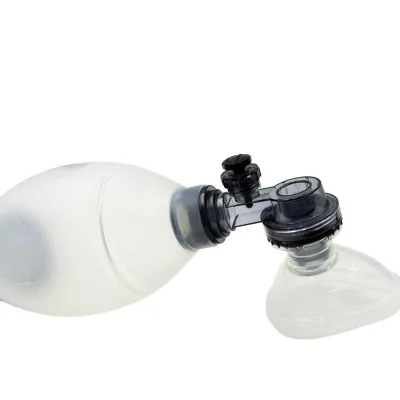
Find 30 listings for the reusable silicone ambu bag suitable for hospital, emergency, and first aid applications. Compare specifications including Class II instrument classification, SGS and CE certifications, and customization options to identify the right manual resuscitator for your procurement needs.
Key considerations
Products List




Comprehensive Sourcing Guide
Reusable Silicone Ambu Bag Sourcing Guide
Procurement teams evaluating reusable silicone ambu bags must first distinguish between single-use and durable medical devices, as the supply chain for these items often blends general surgical supplies with specialized respiratory equipment. The observed product listings indicate a diverse range of models, including specific identifiers like HS-A11 and HY-005, which suggests manufacturers offer variations tailored to different patient demographics such as adults, children, and infants. Buyers should verify that the specific unit they select aligns with the intended clinical setting, whether it is a general hospital ward or an emergency response scenario, to ensure the device meets the necessary operational demands.
The market data reveals that these devices are frequently categorized under surgical supplies materials and face mask or apron groups, indicating a potential overlap in manufacturing lines that requires careful scrutiny. While some listings explicitly state a "Reusable" feature and a "Two Years" quality guarantee, others may list different sterilization methods or packing configurations that could impact the device's lifecycle. Sourcing professionals must confirm that the silicone material used is indeed medical-grade and capable of withstanding the required number of uses, which some data points suggest can reach up to twenty cycles, before committing to a bulk order.
Product Scope and Observed Listing Signals
Buyers should analyze the observed product attributes to understand the breadth of the available inventory, noting that listings often include specific model numbers like SMR, YDA, and DM-M005 alongside generic descriptions. The presence of "Without Logo Printing" as a standard attribute in some entries suggests that many suppliers offer white-label options, allowing healthcare providers to brand the equipment for their specific institutional needs. However, the variation in packing formats, ranging from individual PP boxes to bulk cartons containing twelve pieces, requires procurement teams to calculate the total landed cost accurately, including packaging waste and storage efficiency.
It is critical to recognize that the "Type" attribute in the data spans from general surgical supplies to specific items like bags and aprons, which implies that the term "ambu bag" may be used loosely in some listings. Buyers must verify that the specific product they are purchasing is a manual resuscitator and not a different type of medical bag, as the functional requirements for a resuscitator are significantly more stringent. The observation of "Far Infrared" disinfecting types in some records is unusual for this category and warrants immediate clarification to ensure the device is compatible with standard hospital sterilization protocols rather than relying on unverified thermal methods.
Technical Specifications to Verify
When evaluating the technical specifications, the hardness of the material is a primary consideration, with observed data indicating a "Soft" classification which is generally preferred for patient comfort and seal integrity. Procurement teams must confirm that the silicone composition supports the required flexibility while maintaining structural integrity over the stated shelf life of three years. The single gross weight of the units, observed at values such as 0.760 kg and 0.800 kg, provides a baseline for logistics planning, but buyers should request the exact weight of the empty device versus the packaged unit to avoid discrepancies in shipping calculations.
The application scope is another vital technical parameter, with listings citing uses in both hospital and emergency settings, suggesting a need for robust performance under varying conditions. Buyers must verify the "Instrument Classification" to ensure the device meets the regulatory requirements for Class II medical devices in their target market, as this classification dictates the level of clinical oversight required. Additionally, the "Use Time" attribute, which some data suggests is up to twenty times, must be validated through independent testing to ensure the device does not degrade prematurely, as this directly impacts the total cost of ownership and patient safety.
Compliance and Safety Documentation
Navigating the compliance landscape for reusable silicone ambu bags requires a rigorous review of the quality certifications listed in supplier catalogs, which include SGS, CE, ISO, and ISO13485. While the data confirms the presence of these certifications, buyers must verify that the specific certificate applies to the exact model number being purchased and is current, as certifications can be model-specific and subject to renewal. The distinction between "Ethylene Oxide Sterilization" and "Non-sterile" status is particularly important, as it determines whether the device is ready for immediate use or requires additional processing by the healthcare facility before administration.
Safety documentation must also address the sterilization and disinfection protocols, as the observed "Disinfecting Type" varies significantly across listings, with some mentioning Far Infrared and others noting non-sterile conditions. Procurement teams should demand a detailed sterilization validation report that aligns with the intended use, ensuring that the device can be safely reprocessed according to hospital infection control guidelines. The "Quality Guarantee Period" of two years is a strong indicator of manufacturer confidence, but this guarantee should be explicitly linked to the device's performance under repeated sterilization cycles to protect the buyer from premature failure.
Cost Drivers and Commercial Terms
The commercial terms for reusable silicone ambu bags are influenced by the customization options available, as the data indicates that "Customization" and "OEM/ODM" services are welcome by many suppliers. Buyers should anticipate that custom branding, specific packaging requirements, or tailored model specifications will increase the unit price and potentially extend the lead time. The "Payment Term" of T/T is standard in the industry, but procurement teams should negotiate favorable terms based on order volume, especially given the observed MOQ range that spans from one unit to ten thousand units, allowing for flexibility in initial trial orders.
Pricing structures are further affected by the "Free Sample" availability, which allows buyers to validate product quality before committing to a larger purchase. However, the cost of shipping samples and the potential for bulk discounts must be weighed against the initial investment, particularly since the observed price range in the market spans from one to one hundred USD. Buyers should also consider the "Single Gross Weight" and "Form of Packing" when calculating freight costs, as the density and volume of the cartons can significantly impact the total cost of goods sold, especially for international shipments from China.
Supplier Qualification and Quality Control
Supplier qualification for this category requires a deep dive into the manufacturing origin, with the data pointing to Zhejiang, China, as a primary production hub. Buyers should verify the supplier's capacity to maintain consistent quality across different batches, given the "Two Years" quality guarantee and the "Reusable" nature of the product. The presence of multiple model numbers and standards, such as "Adult/Pediatric/Infant/Neonate," suggests that suppliers may operate diverse production lines, necessitating a site audit to ensure that quality control processes are standardized across all product variants.
Quality control protocols must be strictly enforced, particularly regarding the "Instrument Classification" and "Certification" status, which are critical for regulatory compliance. Buyers should request a copy of the ISO13485 certificate and verify its validity with the issuing body to ensure the supplier adheres to international medical device quality management systems. Additionally, the "Properties" listed as "First Aid" imply a need for rapid deployment and reliability, so suppliers must demonstrate a robust traceability system that tracks each unit from raw material sourcing to final packaging to prevent counterfeits or substandard products from entering the supply chain.
Long-Term Procurement Checks
Establishing a long-term procurement strategy for reusable silicone ambu bags involves regular performance audits to ensure the devices continue to meet the "Reusable" and "Two Years" quality guarantee standards over time. Buyers should implement a feedback loop with clinical staff to monitor the actual "Use Time" and durability of the devices in real-world scenarios, as laboratory data may not fully capture the wear and tear associated with frequent sterilization and handling. This continuous monitoring helps identify any degradation in the silicone material or valve function that could compromise patient safety and necessitate early replacement.
Sourcing teams must also maintain a dynamic relationship with suppliers to adapt to changing regulatory requirements and market standards, such as updates to the "Adult/Pediatric/Infant" classifications or new sterilization protocols. The "OEM/ODM" flexibility observed in the market allows for ongoing product evolution, but buyers must ensure that any modifications to the design or material composition are thoroughly tested and re-certified before deployment. By maintaining a proactive approach to supplier management and quality assurance, healthcare organizations can secure a reliable supply of high-performance resuscitators that support their long-term operational goals.
FAQs
What is the quality guarantee period for this reusable ambu bag?
The product comes with a two-year quality guarantee period to ensure reliability during medical procedures. This coverage applies to the durable plastic construction and the reusable design features listed in the specifications. Buyers can rely on this duration for standard hospital and emergency applications without additional warranty claims.
Can I request logo printing on the reusable silicone ambu bag?
Logo printing is not available for this specific product model as it is listed without logo printing options. The standard style remains simple and functional for hospital use. Buyers seeking custom branding may need to explore other product lines that explicitly support OEM or ODM customization services.
Which certifications does the reusable ambu bag hold for safety?
The product holds multiple quality certifications including SGS, CE, ISO, and ISO13485 to ensure medical safety standards. These documents verify that the device meets international requirements for surgical supplies and emergency applications. Buyers should request these specific certificates to confirm compliance before placing bulk orders.
How many times can the reusable ambu bag be used safely?
The reusable ambu bag is designed for approximately twenty uses before replacement is recommended. This usage limit ensures consistent performance and hygiene for adult, pediatric, and infant applications. Proper disinfection using far infrared methods helps maintain the soft hardness and structural integrity throughout its service life.
What is the standard packaging format for the reusable ambu bag?
The product is packed in a PP box containing one piece per box, with twelve pieces packed into one carton. This standard packaging format ensures safe transport and easy inventory management for hospitals. The single gross weight of the package is approximately 0.760 kg for the specific model configuration.
Can I get a free sample of the reusable silicone ambu bag?
Yes, free samples are available for potential buyers to evaluate the product quality and features. This allows clients to verify the soft hardness and application suitability for emergency or hospital settings before committing to a larger order. Buyers should contact the supplier directly to arrange sample requests and shipping details.
What is the origin location of the reusable ambu bag manufacturer?
The product originates from Zhejiang, China, which is a known manufacturing hub for medical supplies. This location supports the production of various models including adult, pediatric, and infant sizes. Buyers can expect consistent supply chain capabilities and adherence to the stated quality certifications from this region.